
menu

close
Fixed Asset Management System
The Fixed Asset Management (FAM) system in ValuePlus ERP is part of the Finance Management (FI) module and tracks and monitors an organization's fixed assets, such as buildings, machinery, vehicles, and tools. This system aims to improve asset management, maximize asset utilization, and balance maintenance costs with asset returns. The system addresses every stage of the fixed asset lifecycle, from asset acquisition, through valuation, maintenance, disposal, and related financial accounting. ValuePlus ERP ensures effective fixed asset management by automating processes and analyzing asset data to improve financial and operational performance.
Key components of the fixed asset management system in ValuePlus ERP
1. Fixed Asset Data (Asset Master Data):
o The fixed asset register is the foundation of the ValuePlus ERP asset management system.
o This register contains all the details for each fixed asset, such as:
Asset Number: The unique identifier for each asset.
Description: A detailed description of the asset (such as the type of asset or equipment).
Classification: Classifying the asset into a specific category, such as equipment, buildings, vehicles, etc.
Acquisition Date: The date the asset was purchased or acquired.
Location: The location of the asset.
Cost: The cost of the asset upon purchase.
Supplier: The source of the asset's purchase.
2. Asset Acquisition Management:
o The system includes the entry of new assets that have been purchased or acquired, and documentation of the details of the purchase costs (such as the total price, taxes, and shipping costs).
o Invoices or payments related to the asset can be used to directly record the financial transaction.
3. Depreciation Management:
o Value Asset Management enables the calculation of depreciation for fixed assets based on approved accounting laws.
o A depreciation pattern (such as straight-line or accelerated depreciation) is determined, and the monthly depreciation value is calculated for each asset.
o The depreciation method can be customized according to different asset types, with residual values determined at specific periods.
o The system assists in tax and financial reports, which contribute to calculating the asset's value over the years.
4. Asset Transfer Management:
o Assets can be transferred between different locations or departments within the organization. For example, if a machine is transferred from one department to another, this transaction can be recorded in the system.
o Asset data is updated based on the transfer, with a change in location or internal allocation.
5. Maintenance and Repair Management:
o The system includes tracking of maintenance and repairs performed on fixed assets.
o Periodic or urgent maintenance orders can be created for each asset.
The system helps monitor maintenance costs, ensures that assets are operating properly, and reduces unforeseen breakdowns.
6. Asset Disposal Management:
When assets become unusable or need to be disposed of, this process can be recorded in the system.
Of course, asset disposal involves the financial evaluation of the asset, such as the selling or disposal value, and calculating the loss or gain resulting from the sale of the asset.
7. Reporting and Analytics:
O The ValuePlus ERP system provides comprehensive reports on asset performance, such as the total asset value, maintenance costs, accumulated depreciation, and utilization rates.
Of course, these reports can be analyzed to review the effectiveness and efficiency of assets in terms of cost and returns.
Of course, it also provides financial reports related to fixed assets, such as residual asset value, depreciation, and disposal gains or losses.
8. System Integration:
O The ValuePlus ERP fixed asset management system integrates with several other systems, such as:
The accounting system (FI) to record financial transactions related to assets.
Materials Management (MM) to manage asset and inventory purchases.
Maintenance Management (PM) to manage maintenance and repair operations.
o This integration helps exchange data between different departments and ensures smooth operations.
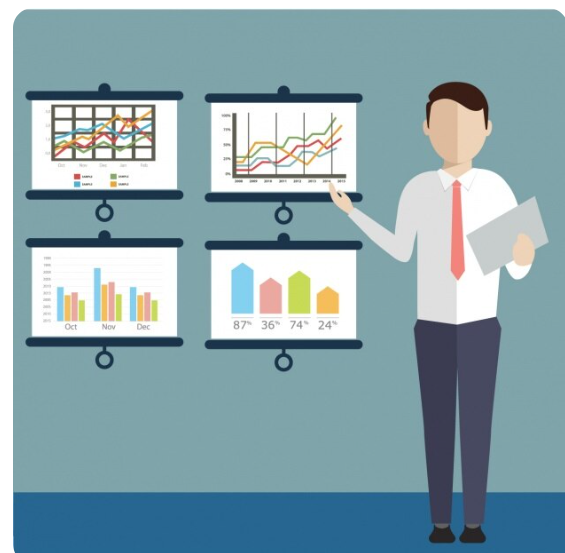
How does the fixed asset management system work in Value Plus ERP?
1. Asset Entry:
o When new assets are purchased or acquired, the assets are entered into the system by creating a new record that includes all the details.
o The asset's cost, depreciation method, and location within the organization are determined.
o The asset is linked to specific financial accounts related to the allocation of expenses and revenues.
2. Depreciation Calculation:
o Once assets are entered into the system, depreciation is calculated periodically based on specified criteria.
o Depreciation is calculated using either traditional methods such as straight-line depreciation or accelerated depreciation, depending on the asset type.
o The system allocates the depreciation value to the relevant cost accounts.
3. Asset Disposal:
o When the asset is no longer useful or has been sold, the disposal transaction is recorded.
o The sale value, loss, or gain resulting from the disposal of the asset is calculated, and the financial records are updated.
4. Reporting:
o The system generates comprehensive reports on the status of assets, such as accumulated depreciation, current asset value, and maintenance expenses.
o Reports can be customized to suit the needs of users in the finance and maintenance departments.
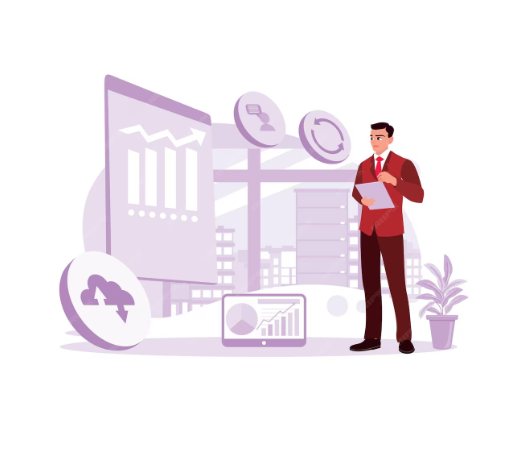
Features of the fixed asset management system in Value Plus ERP
1. Improved Financial Efficiency:
o By accurately tracking assets, asset utilization can be optimized and costs associated with unnecessary maintenance or replacement can be reduced.
2. Reduced Costs:
o The system helps improve preventive maintenance management, thus reducing unplanned breakdowns and extending asset life.
3. Accurate Financial Data:
o The system ensures accurate recording of depreciation and financial transactions related to assets, which aids in the preparation of more accurate financial and tax reports.
4. Improved Decision-Making:
o Managers can make informed decisions about replacing assets or improving their utilization based on performance reports.
5. Integration with Other Systems:
o The system is fully integrated with other ValuePlus ERP systems, such as Finance (FI) and Materials Management, enhancing operational coordination across departments.
6. Lifecycle Asset Management:
o The system enables asset management throughout their lifecycle, from acquisition, through depreciation, and even disposal.
7. Improved Compliance:
o By accurately tracking assets, the system helps ensure compliance with local and international accounting and tax regulations. The Value Plus ERP Fixed Asset Management System is a powerful tool that helps companies manage assets throughout their lifecycle, from acquisition to disposal. By automating processes such as financial accounting, maintenance, and asset disposal, the system helps improve operational efficiency and reduce asset-related costs.









Copyright © 2024 Modern Speed.